The Basic Rules of Béisbol, Explained Simply
Baseball looks chaotic to newcomers, but it runs on a handful of simple rules. Learn the essentials, how runs score, how outs work, and the core plays, so you can follow any game from the first pitch.
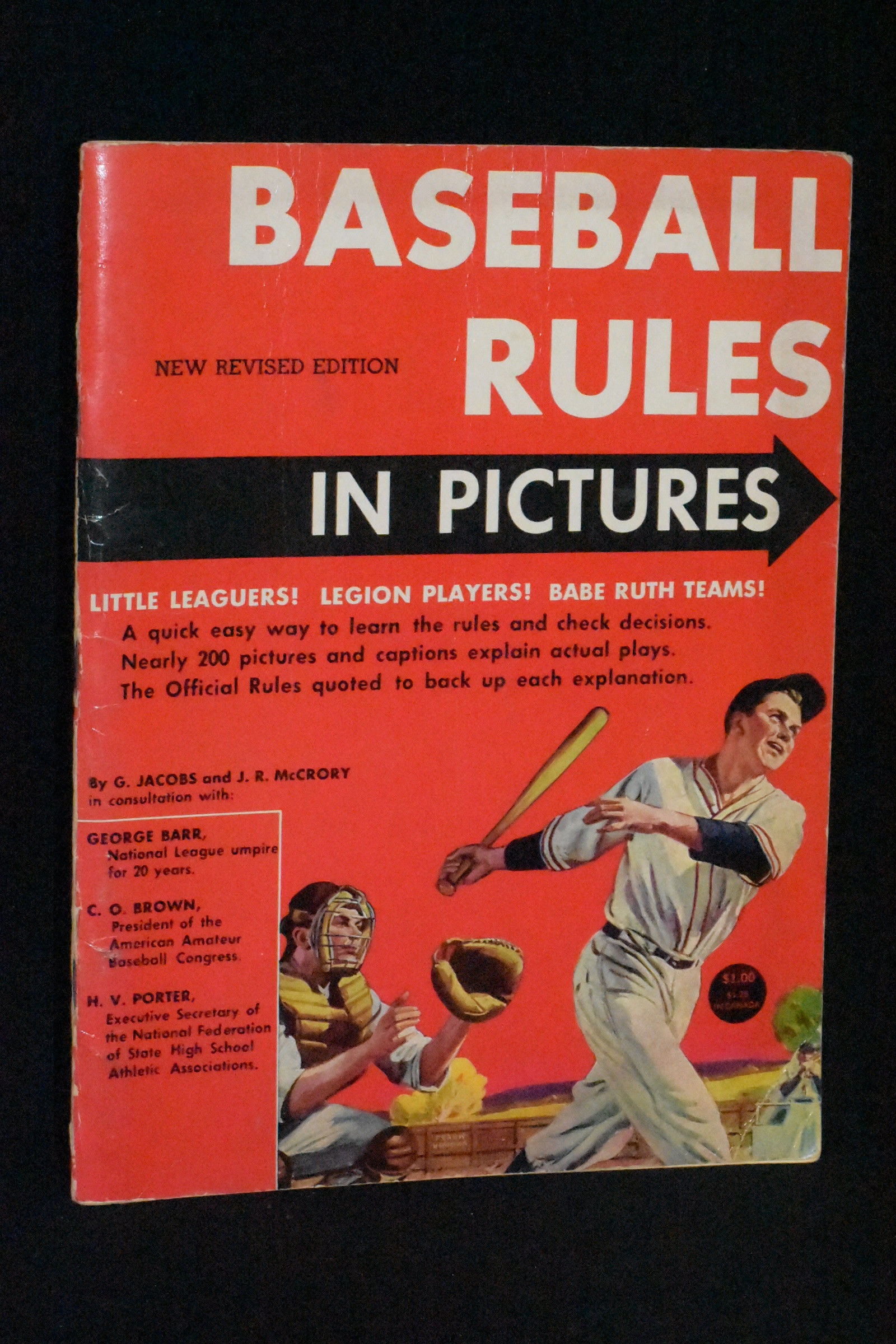
Most people who say baseball is confusing have never had the basics laid out for them in plain language. The truth is that the game rests on a small set of rules that haven't changed much in over a century. Once you understand how a run scores and how an out is made, everything else, the strategy, the pace, the tension, starts to click into place.
So let's answer the question directly: what are the basic rules of béisbol? Below is everything a beginner needs, organized so you can read it once and never feel lost in front of a TV broadcast again.
The Goal of the Game
Baseball is a contest between two teams of nine players each. One team bats (tries to score runs) while the other plays defense in the field. After a set number of turns, they swap. The team with more runs at the end wins. That's it, the entire sport is built on scoring more runs than the other side.
A run is scored when a single player advances all the way around four bases, first, second, third, and back to home plate, without being put out. The bases form a diamond, 90 feet apart in the professional game (less for youth leagues), and a runner must touch each one in order.
Innings: Does Baseball Have 7 or 9?
A standard professional game has nine innings. Each inning is split into two halves. In the top half, the visiting team bats; in the bottom half, the home team bats. A half-inning ends once the batting team records three outs.
So where does the confusion about seven innings come from? Several places. College softball and some amateur baseball leagues play seven innings. Doubleheaders in Major League Baseball were temporarily shortened to seven innings during the 2020–2021 seasons. And the famous "seventh-inning stretch," when fans stand up and sing, can make seven feel like a meaningful number even though the game keeps going.
For the record: full professional baseball is nine innings. If the score is tied after nine, the game goes to extra innings until someone leads at the end of a complete inning. There is no clock, a point worth remembering, because it's part of why the sport grips fans the way it does. A game ends when the outs run out, not when time does.
How Outs Work
The defense's whole job is to record three outs to end the batting team's turn. There are a few common ways to get an out:
- Strikeout: The batter accumulates three strikes (more on strikes below) and is out.
- Flyout: A defender catches a batted ball in the air before it touches the ground.
- Groundout: A fielder throws the ball to first base before the batter-runner arrives.
- Force out: A runner is forced to advance and the defense touches the base ahead of him while holding the ball.
- Tag out: A defender touches a runner with the ball (or with the glove holding the ball) while the runner is off a base.
Three outs and the half-inning is over. The teams switch roles, and the side that was in the field comes in to bat.
Balls, Strikes, and the Strike Zone
The duel between pitcher and batter is the heartbeat of every game. The pitcher throws toward home plate; the batter tries to hit it. Each pitch is judged against the strike zone, roughly the area over home plate between the batter's knees and the midpoint of his chest.
- A strike is called when the batter swings and misses, when he doesn't swing at a pitch inside the strike zone, or on most foul balls (with one exception, you can't strike out on a foul ball that isn't caught).
- A ball is a pitch outside the strike zone that the batter doesn't swing at.
Three strikes and the batter is out. Four balls and the batter earns a "walk," advancing freely to first base. This count, balls and strikes, is shown on every broadcast (for example, "2 balls, 1 strike," written 2-1) and dictates the entire chess match between pitcher and hitter.
Batting and Hits
When a batter puts the ball in play and reaches base safely, he records a hit. The four types are intuitive once you know the names:
- Single: The batter reaches first base.
- Double: The batter reaches second.
- Triple: The batter reaches third, a rare and exciting play that requires speed.
- Home run: The batter hits the ball over the outfield fence in fair territory and circles all the bases for an automatic run. If the bases are loaded with runners, a home run scores four runs at once, a grand slam.
Fair and foul territory matter here. The field is split by two foul lines running from home plate. A ball that lands or rolls inside those lines is in play; outside them, it's a foul ball. For a fuller treatment of these distinctions, our clear guide to the basic rules walks through every scenario with examples.
Running the Bases
Once a batter becomes a runner, he tries to advance around the diamond. He can advance on his own hit, on a teammate's hit, on a walk, or by stealing a base, taking off for the next base while the pitcher isn't paying attention. Stealing is one of baseball's most thrilling gambles; a fast runner can swing the momentum of a whole inning.
A runner must stay on a base to be safe. Step off, and a defender holding the ball can tag him out. This is why you'll see runners take small leads and dive back to the bag when the pitcher throws over, they're balancing the reward of advancing against the risk of getting caught.
The 10 Rules Every Beginner Should Memorize
People often search for "the 10 rules of baseball." There's no official list of exactly ten, but here's a practical version that covers what actually matters in a game:
- Each team has nine players on the field.
- A game is nine innings, divided into a top and bottom half.
- The batting team scores by getting players around all four bases to home.
- The fielding team's goal is to record three outs per half-inning.
- Three strikes is a strikeout; four balls is a walk.
- A batted ball caught in the air is an out.
- Runners can be tagged out when off a base, or forced out when made to advance.
- A ball hit over the fence in fair territory is a home run.
- Foul balls outside the lines are not in play (but count as strikes early in the count).
- The team with the most runs after nine innings wins; ties go to extra innings.
Internalize those ten and you can follow any game. The rest is detail and nuance.
What Is the Rule 5 Rule in Baseball?
This one trips up newcomers because it sounds like a fundamental rule of play, but it isn't. The Rule 5 Draft is a roster mechanism in Major League Baseball, not a rule about how the game is played on the field. Held every December, it lets teams select certain players who have been left unprotected in another organization's minor-league system, as long as they keep that player on their active roster the following season.
The idea is to stop teams from hoarding talented players in the minors indefinitely. Several stars have been plucked through it over the decades. So if you came here wondering whether "Rule 5" affects how you watch a game, it doesn't. It's front-office business. You can read more about how the league organizes these mechanisms through MLB's official Spanish-language coverage, which explains the draft process in detail.
What Are the 5 Fundamentals of Baseball?
Rules tell you how the game works; fundamentals are the skills players need to compete. Coaches typically point to five:
- Hitting: Making solid contact with the ball at the plate.
- Pitching: Throwing accurately and with enough variety to fool batters.
- Fielding: Catching and handling batted and thrown balls cleanly.
- Throwing: Delivering the ball accurately to a teammate, often under time pressure.
- Baserunning: Knowing when to advance, when to hold, and when to take a risk.
A team can know the rulebook cold and still lose badly if it can't execute these five. Watch any youth practice and you'll see hours poured into them long before kids ever learn the finer points of the rulebook.
The 5 Basic Rules, Boiled Down
If even ten rules feels like too much to start, here are the five absolute essentials, the ones you genuinely cannot follow a game without:
- Teams alternate batting and fielding each inning.
- Runs are scored by touching all four bases.
- Three outs end a team's turn at bat.
- Three strikes is an out; four balls is a free base.
- Most runs after nine innings wins.
How to Start Watching (or Playing)
The fastest way to learn is to watch a game with the basics in your head and just track the count and the outs. Within an inning or two, the rhythm reveals itself: pitch, swing, outcome, repeat. For kids learning to play, start with throwing and catching in the backyard before worrying about the rulebook at all, skills first, rules second.
It's also worth knowing why this sport took such deep root in places like the Caribbean and South America. The story of how Latin America fell in love with baseball helps explain why a game with these particular rules became a cultural obsession across an entire region, and why so many of today's biggest stars come from it.
A Final Word
Baseball rewards patience from its newcomers. The rules are simple, but the depth beneath them, the strategy, the situational decisions, the small battles within each at-bat, is what keeps fans hooked for a lifetime. Start with the essentials above, watch a few innings, and you'll find the supposedly confusing sport making perfect sense faster than you expected. Then the real fun begins: noticing the strategy that the rules quietly make possible.