World Baseball Classic 2026 Standings: Full Guide
The 2026 World Baseball Classic is shaping up to be the most competitive edition yet. Here's everything you need to know about the standings, pools, and which teams have the best shot at the title.
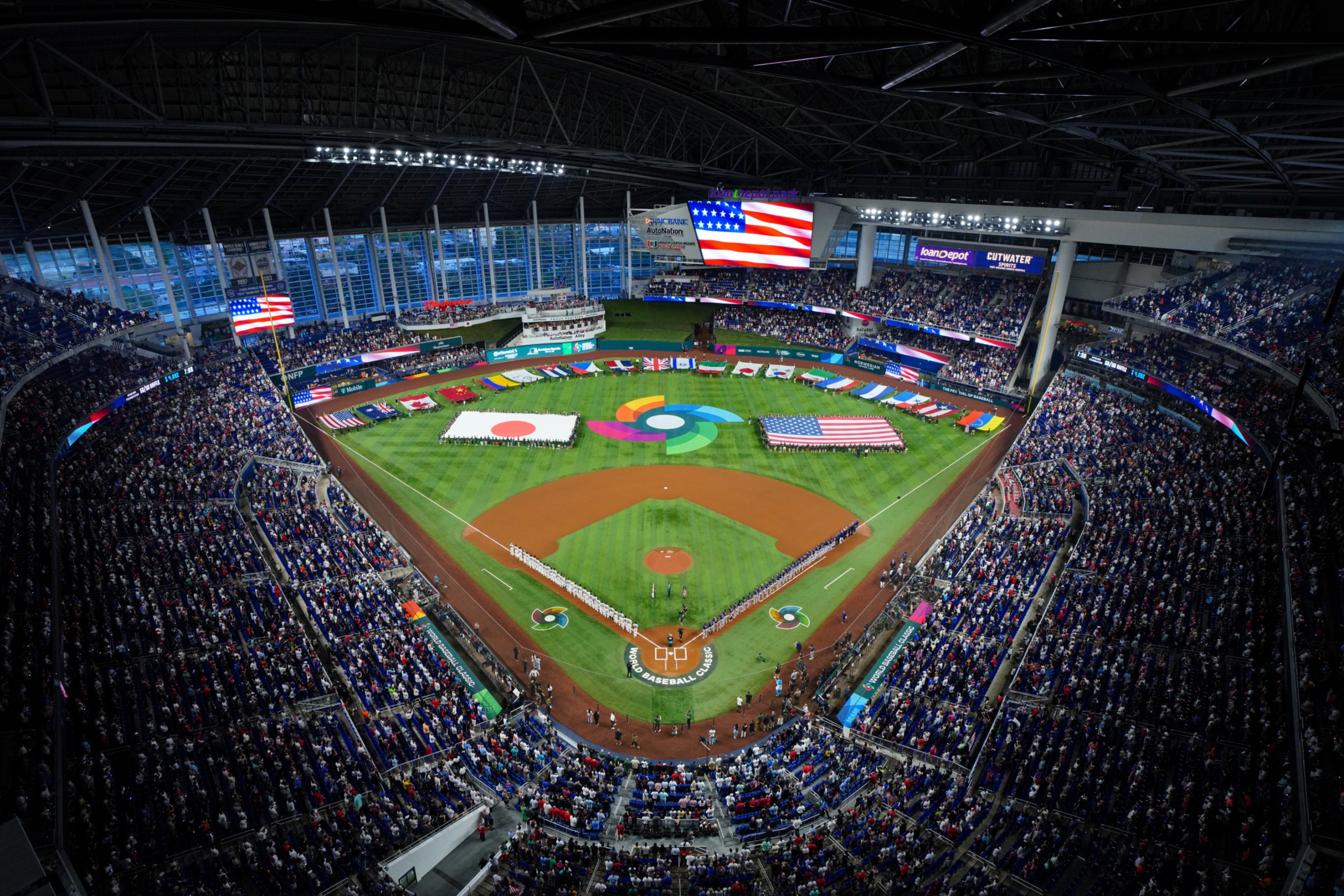
What the 2026 WBC standings look like right now
The World Baseball Classic doesn't run like a regular league season, so the word "standings" means something slightly different depending on where you are in the tournament. During the pool phase, teams are ranked within their group by wins and losses, with tiebreakers based on run differential and head-to-head results. Once the tournament moves into the knockout rounds, it becomes elimination baseball, and a single bad game ends your tournament.
As of the most current information available, the 2026 edition is organized into four pools (A, B, C, and D) played across multiple host cities, with the top two teams from each pool advancing to the quarterfinals. The tournament structure mirrors what worked in 2023, which drew record attendance and produced some of the most watched baseball games in recent memory outside of the postseason.
For live, updated pool results as games are played, MLB.com en español is the official source tracking every box score, standing table, and bracket update in real time. Bookmark it if you're following the tournament closely.
The four pools: who's in each group
The 2026 WBC expands the field from 20 to 32 teams, a significant change from previous editions. That means four pools of eight teams each, with qualifying rounds determining which nations earn the final spots. Here's a breakdown of the pool structure based on confirmed and expected participants.
Pool A
Pool A is being hosted in a venue in Asia and is expected to include Japan, South Korea, and several qualifying teams from the Asia-Pacific region. Japan enters as defending champion after their legendary 2023 final against the United States, with Shohei Ohtani's strikeout of Mike Trout to end the game still one of the most replayed moments in international baseball history. Japan has won three of the five WBC editions played so far (2006, 2009, 2023), which makes them the default favorite going into any pool they inhabit.
Pool B
Pool B draws its strongest entries from Latin America and is historically the most unpredictable pool. Venezuela, Colombia, and Panama are expected participants, alongside Caribbean qualifying nations. Venezuela is a team worth watching closely: they've never won a WBC title despite consistently putting MLB-caliber rosters on the field. For a deeper look at the Venezuelan players who carry these national team hopes into the tournament, the breakdown at los jugadores venezolanos más importantes en las Grandes Ligas gives real context to why their roster is always stacked on paper.
Pool C
Pool C pulls from the Americas and the Caribbean, with the Dominican Republic, Cuba, and Puerto Rico among the expected participants. The Dominican Republic finished with a disappointing early exit in 2023 despite having arguably the most talented roster in the field. That still stings, and their preparation for 2026 has reportedly been more structured. Cuba, navigating complex eligibility and defection dynamics, continues to field competitive teams even as the country's baseball infrastructure has changed dramatically over the past two decades.
Pool D
Pool D represents the Americas alongside several European and African qualifiers, including the United States. The US carries significant expectations every cycle given the sheer volume of MLB talent available, but they've only won the WBC once, in 2017. Their 2023 run ended in the semifinals against Japan, and the question heading into 2026 is whether they can finally close out a tournament the way their talent level suggests they should.
Who has qualified for WBC 2026
Qualification for the 2026 WBC came through a series of regional qualifying tournaments held in 2024 and 2025. According to the official World Baseball Classic website, automatic berths go to teams that performed well in the 2023 edition, while remaining spots are determined through the qualifiers. The full list of 32 confirmed nations includes several first-time participants from Africa and Europe, a sign that the tournament's global push is working.
Notable first-time qualifiers include teams from Great Britain (which has been building a serious pipeline through MLB's international development programs) and a handful of African nations whose participation signals genuine growth in the sport beyond its traditional strongholds. Whether those teams are competitive against Japan or the Dominican Republic on day one is a separate question, but their presence matters for the long-term health of international baseball.
Teams that did NOT qualify and caused some surprise: the Netherlands, historically one of the stronger European programs, had an inconsistent qualifying run. Their absence from the main pool stage, if confirmed, would be one of the bigger upsets before the first pitch is even thrown.
Is the US eliminated from the WBC?
No, the United States has not been eliminated from the 2026 World Baseball Classic. They qualified directly and are placed in Pool D. The question about US elimination gets asked early in every WBC cycle because of 2017: the US won that year and raised expectations, then disappointed in 2023 by losing to Japan in the semifinals. People reasonably wonder each time whether the US will flame out early again.
The honest answer is that the US has never struggled to qualify; their challenge is performing under international tournament pressure, which operates differently from the 162-game grind of a regular MLB season. Elimination rounds hit different when there's no tomorrow game. The US roster for 2026 is expected to be led by a mix of young stars and veterans, though final roster announcements won't be confirmed until closer to the opening round.
Who is favored to win WBC 2026
Japan is the consensus favorite. That's not a controversial take; it's just math. They're the defending champions, they've won three times, and their player development system consistently produces players who perform in the specific context of a short tournament. Shohei Ohtani, Yoshinobu Yamamoto, and a generation of NPB stars give them depth that no other country can fully match at this level of international competition.
The Dominican Republic is the team most likely to end Japan's run. Their roster on paper is genuinely elite, and the motivation after 2023's early exit is real. When Dominican players talk about the WBC, you hear something closer to the passion Latin American countries bring to the FIFA World Cup than the more casual approach some MLB players bring to international competition.
Venezuela and Puerto Rico are legitimate dark horses. Puerto Rico reached the final in 2013 and has consistently been a tough out. Venezuela's combination of pitching depth and lineup balance makes them dangerous in a short series format where one dominant starting pitcher can carry you through a pool.
The United States sits in an awkward middle position: talented enough to win, but with a track record that makes any prediction feel uncertain. According to FanGraphs, pre-tournament win probability models for international competitions tend to undervalue Japan's cohesion as a unit and overvalue the raw talent of American rosters that haven't practiced together consistently. That gap between talent and team readiness has cost the US before.
The semifinal and final picture
The 2026 semifinals and final are scheduled to take place in the United States, with Dodger Stadium and other major venues under consideration as host sites. This mirrors the format from 2023, where the Miami semifinals and final created an electric atmosphere driven largely by Latin American fans.
Based on pool projections and historical performance, the most likely semifinal matchups on paper would be Japan versus the Dominican Republic on one side and the United States versus Venezuela on the other. That's a projection, not a guarantee: the WBC has a long history of upsets precisely because every team is playing with maximum intensity in a format where cold bats for two days can get you sent home.
The final has a good chance of featuring Japan and the Dominican Republic, which would essentially be a rematch of the 2013 final that the Dominican Republic won. That would be a genuinely significant moment for the tournament's narrative.
How the WBC standings and tiebreakers work
This trips up a lot of fans who are new to the tournament. Pool standings in the WBC use the following tiebreaker order: first, head-to-head record between tied teams; then run differential in games between tied teams (capped at a certain margin per game to prevent runaway scores); then total runs allowed per inning in pool play; and finally, a drawing of lots if everything else is tied.
The run differential cap is important. It's set at a maximum run differential of 10 per game, which means even blowout victories don't give you unlimited tiebreaker advantages. This rule exists to discourage running up the score and to keep weaker teams from being demoralized by historically lopsided losses. It's a reasonable compromise, though it occasionally produces tiebreaker situations that feel arbitrary to fans watching from the outside.
If you want to understand how game results translate into the standings table, getting comfortable with how baseball stats are recorded helps. The guide on cómo leer un box score de béisbol walks through all the key numbers you'll see in WBC coverage, from ERA to RBI to batting average, which makes following the pool standings much easier in real time.
The schedule: key dates for 2026
The full calendar for the 2026 WBC runs from late February through late March, with pool play starting around February 28 and the final scheduled for around March 22. These dates are designed to fit within MLB spring training, which creates some roster management complexity for clubs whose players want to participate.
The MLB Players Association and individual clubs have generally been supportive of WBC participation, though injury concerns always create tension. A starting pitcher throwing 90 pitches in a WBC pool game in early March is behind the typical spring training ramp-up, and teams with playoff ambitions are legitimately cautious about that. According to reporting from The Athletic, several clubs have begun negotiating voluntary workload agreements with players heading into international tournaments, which is a newer development that reflects how seriously the WBC has grown as a competition.
For fans who want to understand how the time investment of watching WBC games compares to regular season play, the breakdown of cuánto dura un partido de béisbol at different levels provides useful context. WBC games tend to move faster than regular season games because of the heightened pace-of-play rules and the raw adrenaline that keeps pitchers attacking hitters.
Why this WBC matters more than previous ones
The 2023 WBC set attendance and viewership records for international baseball. The 2026 edition, with an expanded 32-team field and what appears to be stronger logistical support from MLB, is being positioned as the moment the tournament fully establishes itself alongside the World Cup and the Olympics as must-watch international sport.
The expansion to 32 teams is the boldest structural change. It brings in nations that have been on the fringe of competitive international baseball for years, and it guarantees more first-round games, more stories, and more chances for an underdog moment that spreads across social media and brings new fans into the sport. Whether the format can maintain quality while expanding access is the central tension the tournament organizers are managing.
For a team like Japan, winning in 2026 would cement a dynasty argument. For the Dominican Republic or Venezuela, it would validate a generation of players who grew up watching their countries come close and never finish. That's the kind of stakes that makes checking the standings every morning during pool play feel worth it.